

Peptide articles and guides
The basics, what the research covers, and practical guides. The newest is always at the top.

What are mitochondria? The cell's power plants, their structure and how to look after them
Mitochondria are the parts of a cell that turn food and oxygen into ATP, the body's ready-to-use energy. This guide covers their structure, how they work, which cells have the most, and the habits that help the body build more of them.

CagriSema at ObesityWeek 2026: REDEFINE 9 results at lower doses
On 14 November 2026, Novo Nordisk presented Phase 3 REDEFINE 9 results: CagriSema, the combination of cagrilintide and semaglutide, was studied at two lower dose levels. Here are the numbers, the dates, and what it means for the amylin pathway.

Latest retatrutide data, November 2026: knee pain and sleep apnea
Through November 2026, Eli Lilly presented Phase 3 retatrutide results at two major scientific meetings: knee pain in osteoarthritis and breathing disruptions during sleep. Here are the numbers, when they were presented, and why one molecule reaches so many conditions.

What is L-Carnitine? The carrier that brings fat to the cell's energy furnace
L-Carnitine is a compound that carries fatty acids into the mitochondria so they can be burned for energy. This guide explains how it works, where the body gets it, the different forms, and why it is so familiar to people who train.

What is a polypeptide? Definition, examples, and how it differs from a protein
A polypeptide is a chain of amino acids joined by peptide bonds, anywhere from a dozen to hundreds of units long. This guide covers the length cut-offs, how cells build one, how it differs from a protein, and examples from glucagon to hemoglobin.

What peptides do in the body: six roles, from hormones to skin defense
Peptides regulate blood sugar, carry nerve signals, guard the skin against bacteria, protect cells, and cue tissue repair. Six functions explained through peptides your own body makes.

Cagrilintide: the amylin peptide paired with Retatrutide
Cagrilintide is a long-acting amylin analog that works on the satiety pathway in the brainstem. Its origins, how it works, its clinical trial journey, and why it is often paired with other peptides.
Retatrutide vs tirzepatide: different pathways and status
Tirzepatide works through two hormone receptors, Retatrutide through three. How their pathways differ, what the glucagon receptor adds, and where the research on each stands now.

Collagen benefits for skin, joints, bones, and muscles
Collagen is known for skin, yet research has also observed its role in joints, bone density, muscle mass, and nails. A summary of collagen benefits by body part, the observation period in each study, and how to work it into a routine.

Collagen for the face: consumed, applied, or stimulated through peptides
There are three ways people care for facial collagen: drinking hydrolyzed collagen, applying collagen cream, and using peptides that signal skin cells. A comparison of how the three work, what research has observed, and how to combine them.

Foods that contain collagen and the nutrients that support its formation
Bone broth, chicken feet, beef skin and tendon (kikil), fish skin, and gelatin are the true sources of collagen, while fruit, nuts, and shellfish contribute vitamin C, zinc, and copper to assemble it. A list of both, plus what happens when food collagen is digested.

What collagen is: its structure, types, and function in the body
Collagen is the most abundant protein in the body and forms the framework of skin, bones, tendons, and cartilage. Its triple helix structure, its five main types, how the body makes it, and the foods that support it.

BPC-157 and TB-500: why they are paired and how they work
BPC-157 comes from a protein fragment in gastric juice, TB-500 from the active part of thymosin beta-4. The two are studied on different tissue recovery pathways, and in the fitness community this pair is known as the Wolverine Stack.
What is a peptide: definition, how it works, and examples
A peptide is a short chain of amino acids that acts as a signal inside the body. The definition, how it differs from a protein, examples of natural peptides, and the types of peptide you come across on the market.

CJC-1295 and Ipamorelin: why they are paired and how they work
CJC-1295 mimics the GHRH signal, Ipamorelin comes in through the ghrelin receptor. Two different pathways leading to the same gland is the reason the two are paired so often.

Dihexa: from angiotensin IV research to the nootropics community
Dihexa was developed from angiotensin IV, a hormone fragment long linked to memory, then modified to be stable and absorbable by mouth. Its memory research findings have made Dihexa one of the most talked-about names in the nootropics community.

PT-141 (bremelanotide): how it works in the brain and its FDA approval
PT-141 works in the brain through melanocortin receptors, unlike medicines that work through blood flow. In the United States, it has been FDA approved since 2019 under the brand Vyleesi for premenopausal women with low sexual desire.

Eloralintide and the amylin pathway: how it works and where the research stands
Eloralintide is a new peptide that works through the amylin receptor, the fullness signal from the pancreas. Phase 2 trial results have been published in The Lancet, and a phase 3 trial has been running since 2026.

AOD-9604: the growth hormone fragment and how it works
AOD-9604 is a small fragment from the end of growth hormone, developed to study fat metabolism. Six human trials showed a clean short-term safety profile, with no rise in IGF-1.

Epithalon and telomeres: how it works and what the research found
Epithalon is a synthetic tetrapeptide known through telomere research. Cell cultures observed telomerase activity and lengthening telomeres, and an independent replication in 2025 found a similar pattern in six human cell lines.

Injectable, oral, and topical: why peptides come in different forms
Peptides come as powder vials, drinkable products, and serums. Each form is designed for a different route of entry, from the digestive tract to the layers of the skin, so each one is read differently too.

Salmon ovary peptide: getting to know the skin ingredient from salmon roe
Salmon ovary peptide, PDRN, and proteoglycan all come from salmon, but their form, how they work, and their research are different. A short guide to telling the three apart.

NAD+ IV drip: getting to know the service format
An NAD+ IV drip is a way of giving NAD+ by infusion that is popular in wellness services. The difference between the molecule, the vial, and the infusion service, what NAD+ infusion studies measure, and what is useful to ask before booking.
Collagen peptide: a consumer guide before you buy
Collagen peptide often appears on supplement and processed food labels. What the term hydrolyzed collagen means, how the body absorbs it, how to read the registration code on the packaging, and where the ingredient comes from.
What can peptides be combined with? A guide to pairing active ingredients
Peptides fit easily into many skin routines. How to pair them with vitamin C, retinol, and exfoliating acids, and where the combination rules that often circulate come from.

Argireline: the topical peptide that often appears on skincare labels
Argireline, or acetyl hexapeptide-8, is among the most popular peptides on skincare labels. Where its name comes from, the mechanism that has been studied, and what research has observed on wrinkles.

Benefits of peptides for the face: what research has observed
Peptides are among the most researched facial care ingredients. What studies measure, from wrinkles to elasticity, and why a systematic review places them among the ingredients with the strongest evidence base.

FOXO4-DRI and senolytic research: helping the body clear old cells
FOXO4-DRI is a peptide designed to help the body clear old cells that have stopped dividing. How it works according to the original study, and what laboratory research has observed.

Peptides for muscle and the gym: the popular groups and how they work
The term peptides for muscle covers several groups of compounds with different pathways, from the growth hormone axis to IGF-1. A simple map, plus the resistance training and protein that remain the foundation.

5-Amino-1MQ and the NNMT pathway in metabolism research
5-Amino-1MQ is a small molecule studied as an inhibitor of NNMT, an enzyme in fat cells that touches on energy reserves. How the pathway works and what laboratory research has observed.

LL-37: the antimicrobial peptide your body makes itself
LL-37 is an antimicrobial peptide the body produces itself as part of its natural defenses. Its link to vitamin D, and what clinical trials of LL-37 cream on wounds have observed.

Cartalax and KLOW Blend: what is studied about joints and connective tissue
Cartalax is a tripeptide with a clear sequence, KLOW Blend a mix of several peptides in one vial. What research has studied about each, and how to read their product information.

Cerebrolysin and Pinealon: two different approaches in cognitive research
Cerebrolysin and Pinealon both sit in the cognitive group, with different molecular forms and research track records. One is a mix of small peptides and amino acids, the other a short tripeptide.

Retatrutide and Cagrilintide: why these two compounds are paired
Retatrutide and Cagrilintide touch two different signaling pathways related to the feeling of fullness. Where the idea of pairing them comes from, and how to read the combination product page.

Tesamorelin and Ipamorelin: two different pathways in the growth hormone family
Tesamorelin and Ipamorelin are both discussed in the growth hormone pathway, but they enter through different receptor doors. A simple map, including where IGF-1 LR3 sits in the same chain.

Retatrutide in Indonesia: its research stage and how to read product information
Retatrutide is widely talked about because it works on several signaling pathways at once. Where its research stands now, what each stage of drug development means, and how to read product information and care for the vial you receive.
Peptides in skincare: a guide to reading serum labels
Peptides have become one of the most sought-after serum ingredients. The four groups that appear most often on packaging, and how to find them in the INCI ingredient list.

PEG-MGF and IGF-1 LR3: two signals studied for muscle tissue repair
PEG-MGF and IGF-1 LR3 are both rooted in IGF-1, but modified for different purposes. How each one works, what research has observed, and a note for competitive athletes.
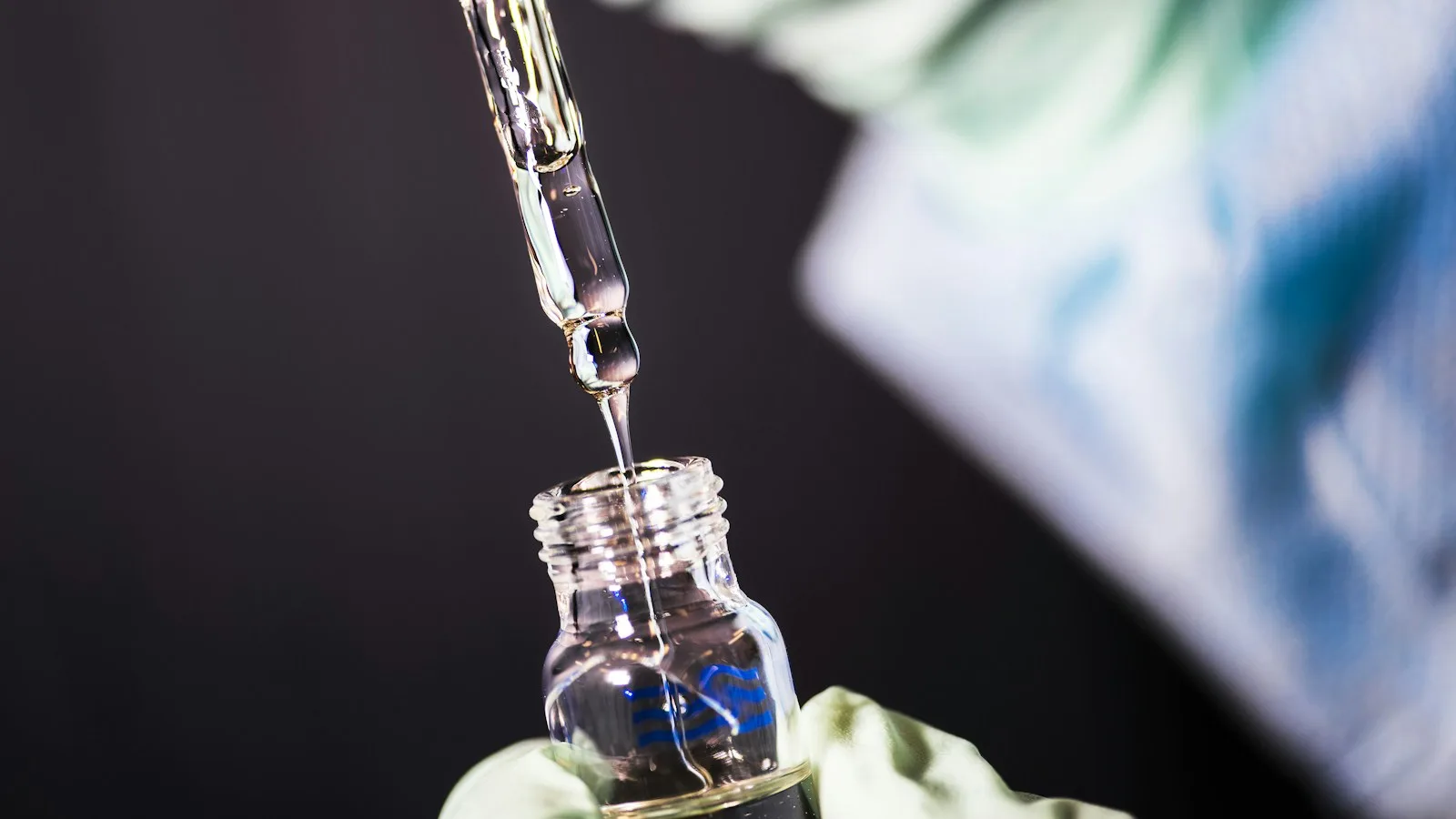
Peptide reconstitution: the basic steps for dissolving a vial calmly
Reconstitution is the moment peptide powder meets a sterile solvent. Why the contents are packaged dry, what changes once they dissolve, and how to handle them gently.

Kisspeptin: an early signal in the hormone chain and where its research is heading
Kisspeptin is an early signal in the reproductive hormone axis. Its position in that chain, why the pathway draws researchers' attention, and how Kisspeptin-10 differs from its longer variants.

A checklist for buying peptides online with comfort and trust
Things you can check yourself when buying peptides online: product information, the seller's marketplace profile, and how the product is packaged, shipped, and stored.

Thymosin Alpha-1 and the immune system: a peptide from the thymus gland
Thymosin Alpha-1 is studied in the immune system because of its link to the thymus gland and T cells. Its origins, what research has observed, and where it sits in the Peptivia catalog.

Mitochondrial peptides: getting to know MOTS-c and SS-31
MOTS-c and SS-31 are both discussed in conversations about mitochondria, but they start from different angles: one from mitochondrial DNA, the other from its membrane.

NAD+ and aging: the energy coenzyme everyone is talking about
NAD+ is a coenzyme used by almost every cell every day. Its role in cellular energy, and why aging is the main topic around it.

Getting to know glutathione and its role in the body
Glutathione is an antioxidant the body makes itself. Its role inside the cell, why its dosage form is a topic of its own, and why it is popular in discussions about skin.

Peptides for beginners: where to start
An entry point for anyone opening a peptide catalog for the first time: the discussion groups, how to read product information, and two things you can check yourself.
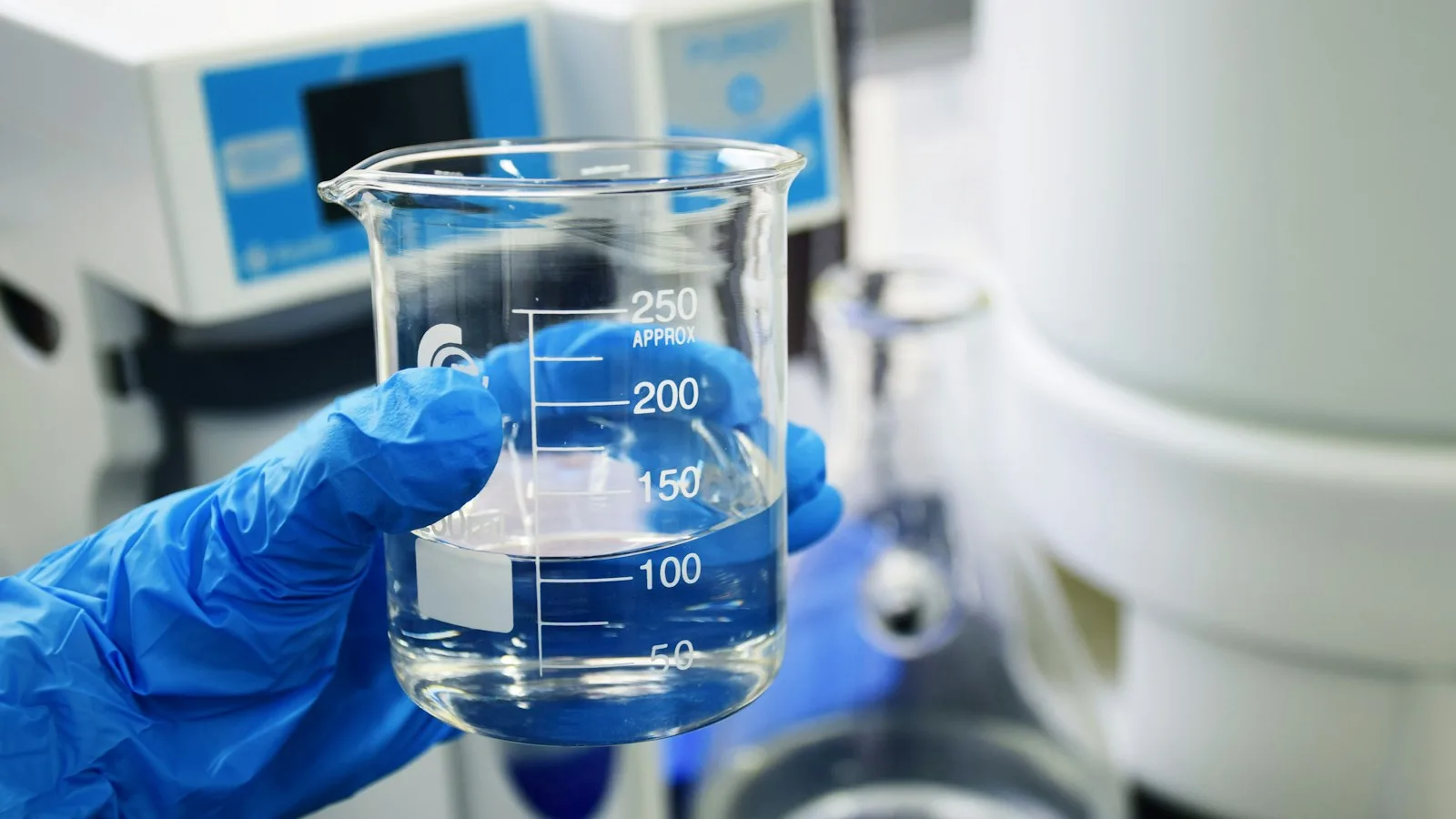
Reading peptide product information: a guide to choosing calmly
How to read peptide product information, choose a trustworthy seller, recognize the signs of a good vial, and store it once it arrives at home.

Storing peptide vials at home
A simple guide to temperature, light, and storage time for peptide vials at home, including the best spot in the refrigerator and the small habits that help the most.