

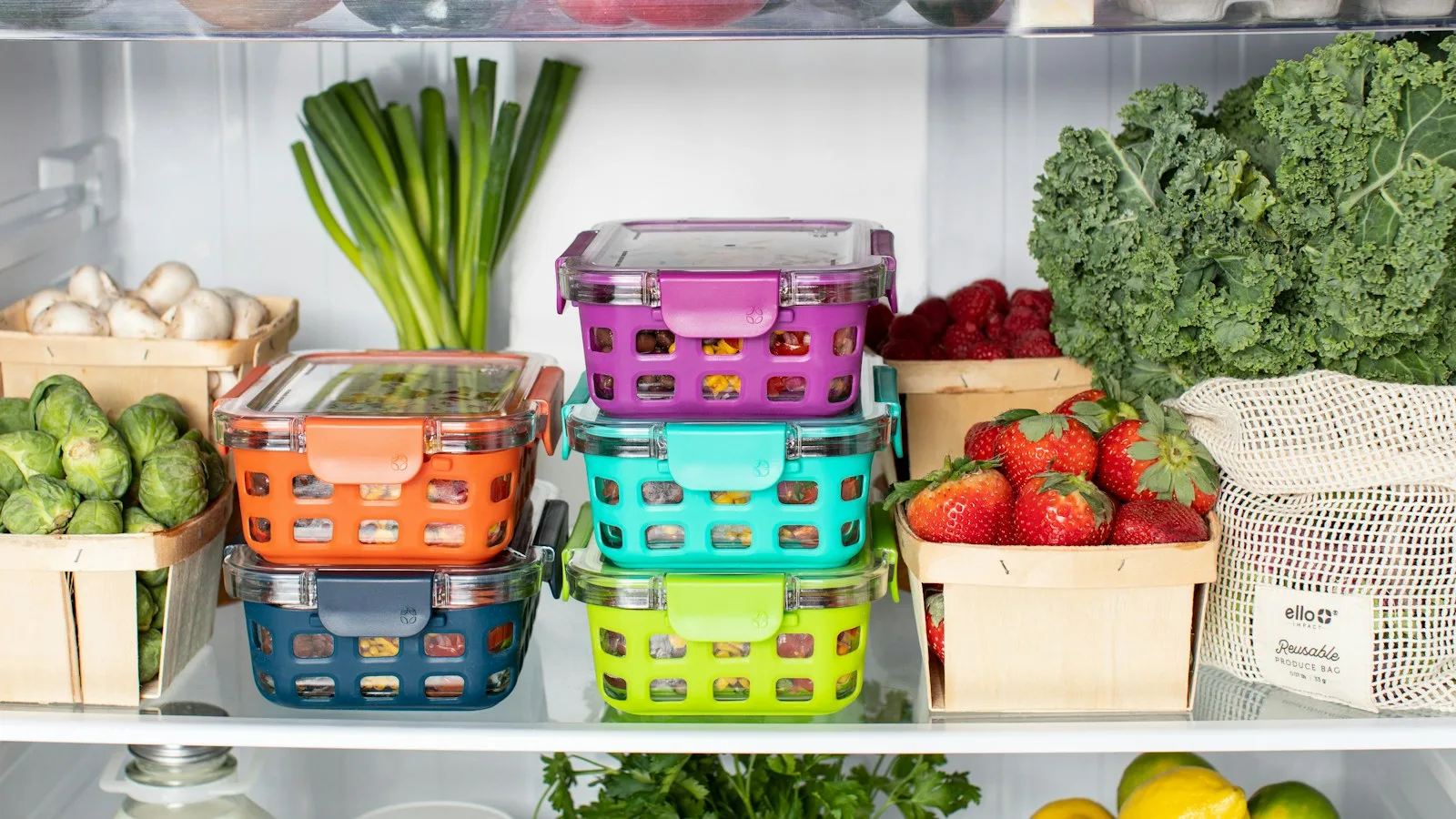
Storing peptide vials at home
Peptides are substances that are sensitive to their environment. They take the form of a neatly arranged chain of amino acids, and that arrangement is what gives them meaning. Storing them well means keeping that arrangement intact.
Here is a simple way to picture it. Imagine a beaded necklace with a particular order of colors. As long as the string is intact, the order is preserved. Heat, light, and humidity are the three things that most often loosen that string, so those three are what need to be kept away.
The good news is that you do not need special equipment to store them properly. All it takes is understanding two very different vial conditions, then choosing the place at home where the temperature is most stable.
Three things to keep away from the vial
Before getting into how to store them, it helps to know what is actually being kept away. All three are present in any home.
- Heat. High temperatures speed up changes in the arrangement of the peptide. This is the reason vials are stored cold, not at room temperature.
- Light. Direct sunlight and bright lamps for hours on end are equally bad. That is why the vial is left in its original packaging, not put on display.
- Humidity and air. A vial containing powder is designed to be dry. Water vapor that gets in makes the powder clump and changes its condition.
All three work slowly, not instantly. A vial will not suddenly change the moment it is left on a table for an hour. What happens is a gradual change that the eye cannot see, which is why a consistent storage habit is far more useful than an occasional one.
Powder and solution, two very different conditions
This is the part that is most often mixed up, and the one that matters most. The same vial can have two very different shelf lives, depending on whether it has been dissolved or is still powder.
A vial that has just arrived usually contains dry, freeze-dried powder. In that dry condition, its contents last much longer because there is almost no water to trigger changes. Once liquid is added, the situation reverses. A peptide that has been dissolved changes much faster, and the count shifts from months to a much shorter one.
| Vial still in powder form | Vial already dissolved | |
|---|---|---|
| Durability | Relatively long | Much shorter |
| Stored in | Cold, dark, original packaging | Cold, do not keep taking it in and out |
| Most affected by | Heat and humidity | Type of solvent liquid and temperature |
| Worth noting down | Date received | Date it was dissolved |
Because the gap is this large, the same single sentence cannot be used for both. If you read a storage guide anywhere, the first thing to confirm is which vial that guide is talking about.
Storing a vial that is still in powder form
For a vial that is still in powder form, the following three habits cover almost everything that needs looking after.
- 1
Store it cold, not frozen, unless the product notes say otherwise
An ordinary refrigerator is generally adequate for day-to-day storage. The freezer compartment is used only if the product notes do say so, because each substance has its own handling.
- 2
Leave it in its original packaging
The original packaging blocks light and keeps the label attached at the same time. This label is what carries the name and the vial size, so you always know the contents of the vial you are holding.
- 3
Put it in a spot where the temperature is stable
The middle shelf is better than the door. What you are looking for is not the coldest point, but the point where the temperature changes least often.
After the vial is dissolved
Once liquid goes in, the shelf life shortens considerably and depends heavily on the type of liquid used. This is the part most often mixed up at home, because people tend to treat a dissolved vial the same as when it was still powder.
One more thing that is rarely noticed is the effect of going in and out of the refrigerator. Every time the vial is taken out and put back, its contents pass through a temperature change. Once or twice is not a problem, but if it is done repeatedly every day, those changes add up. It is better to take what is needed and return it right away than to leave it out while doing something else.
Because there are many variables, the most accurate reference is the notes on the product page for the product you have. A general guide like this article is useful for understanding the pattern.
Five places at home that are less than ideal
All five look reasonable, and for that reason they are often chosen without thinking.
- The refrigerator door. It looks practical, but its temperature fluctuates the most because the door is opened and closed all day.
- The freezer compartment, without reading the product notes. Colder is not always better, especially for a vial that has already been dissolved.
- The bathroom or near a sink. Steam from hot water makes this area humid, and humidity is one of the three things to keep away.
- A table near a window. It looks cool in the morning, yet it gets direct sunlight at certain hours.
- The top of the refrigerator or near kitchen appliances. The surface there is warm because of waste heat from the machine, and the warmth is continuous.
The same pattern shows up in all five places: what people usually judge is the condition at that moment, not the condition throughout the day. A good storage place is a boring one, in the sense that its temperature barely changes from morning to night.
The small habit that helps the most
If you take only one thing from this whole article, take this one: write down the date.
Write the date the vial was received, and the date the vial was dissolved. It can be on a small piece of paper stuck to the box, or in a note on your phone. With that record, you always know how long the contents have been in their current condition, without having to guess.
In short
- What to keep away
- Heat, direct light, and humidity. All three work slowly, not instantly.
- Powder vial
- Cold, dark, kept in the original packaging, on a shelf where the temperature is stable.
- Dissolved vial
- Shelf life is much shorter. Reduce trips in and out of the refrigerator.
- Main reference
- The storage notes on the product page, not a general guide.
- Essential habit
- Write down the date received and the date the vial was dissolved.
Good storage complements the habit of reading product information carefully. The guide to reading peptide product information is in the marketing authorization status of peptides in Indonesia.
The discussion groups and the details for each product, including its storage notes, are available in the catalog and the product list. You can send questions and orders through Peptivia's official WhatsApp.